In the landscape of Artificial Intelligence, the debate on Single-Agent vs Multi-Agent Systems has become increasingly prominent. As organizations strive for efficient AI architecture comparison, understanding these two distinct agentic systems is crucial. Single-agent systems boast advantages in simplicity and response time, making them ideal for straightforward tasks, while multi-agent systems bring forth a complexity that opens doors to novel functionalities and collaborative problem-solving. The appeal of multi-agent complexity lies in their ability to distribute workloads across specialized agents, thus creating new capabilities that single-agent systems may not achieve alone. However, with the benefits of multi-agent systems come considerations of higher costs, debugging complexities, and latency issues that need careful evaluation.
When exploring the dynamics of AI frameworks, one cannot overlook the contrast between individual agent architectures and those that utilize collaborative frameworks. Agents operating independently can be efficient in straightforward operational roles, while collective systems harness the power of teamwork, allowing multiple agents to process tasks simultaneously. While individual systems tend to work best in singular contexts, multi-agent configurations thrive when tasked with diverse and overlapping responsibilities. This landscape of contrasting methodologies emphasizes the need for a strategic assessment based on operational demands, leading practitioners to choose the most effective architecture for their specific AI challenges.
Understanding the Differences in AI Architecture: Single-Agent vs Multi-Agent Systems
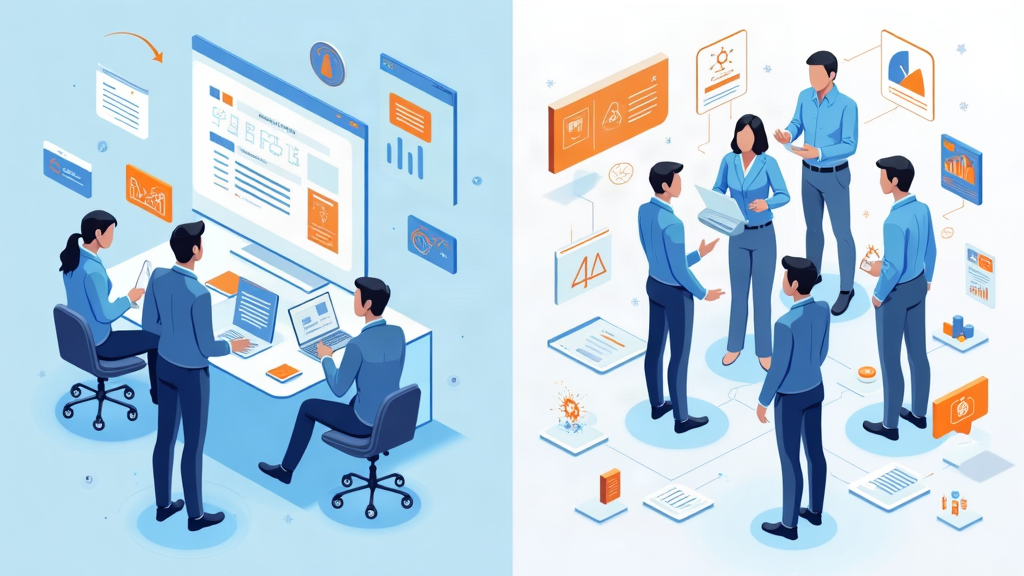
The distinction between single-agent and multi-agent systems is pivotal in the landscape of artificial intelligence (AI) architecture. Single-agent systems operate with a singular autonomous entity that manages all tasks independently, offering simplicity and efficiency in handling various operations. In contrast, multi-agent systems comprise multiple specialized agents that collaborate and communicate to execute complex tasks. This division introduces different levels of complexity yet also unlocks a broader range of functionality. Understanding these differences is not only about recognizing the inherent characteristics and capabilities of each approach but also about identifying the right fit for specific applications based on their needs and objectives.
When assessing how single-agent and multi-agent systems differ, it’s essential to consider aspects like latency, cost, and failure modes. Single-agent systems typically maintain low latency and reduced operational costs due to fewer model calls and streamlined processes. On the other hand, multi-agent systems can introduce delays because each agent often waits for outputs from others, leading to compounded latency. The learning curve is steep, and debugging becomes complex due to multiple communication channels and dependencies. The choice between these architectures should align with the complexity of the tasks at hand and the scaling needs of the organization, ensuring that time and resources are utilized effectively.
The Advantages of Single-Agent Systems in AI Solutions
Single-agent systems are particularly advantageous in scenarios characterized by straightforward workflows that demand consistent results. Their architecture is designed for linear task completion, where one agent can manage diverse responsibilities without needing constant interaction with others. This generalist capability is crucial for organizations that prioritize operational efficiency and cost savings. For example, customer support triage or data extraction can be efficiently handled by a single agent operating autonomously, where the emphasis lies in speed and simplicity, showcasing the practicality of a single-agent approach in many AI-driven applications.
Moreover, single-agent systems tend to have clear debugging pathways, enabling organizations to identify and rectify issues with relative ease. Having one central decision-maker allows for a more straightforward conversation history and simplifies tracing errors back to their source. This characteristic not only enhances reliability but also optimizes resource allocation, as fewer model calls translate to lower token consumption. Consequently, for businesses operating under tight budgets or pressing timelines, the adoption of single-agent solutions often proves to be a sound strategic choice, addressing essential tasks effectively while minimizing costs.
Exploring the Complexities of Multi-Agent Systems
While single-agent systems fill a significant niche within AI applications, the multi-agent paradigm introduces unique advantages that can substantially enhance performance in complex environments. Multi-agent systems distribute tasks across a team of specialized agents, allowing for parallel processing and greater adaptability in dynamic scenarios. This parallelization leads to more efficient workflows, especially when tasks can be conducted concurrently, effectively reducing overall project timelines. Organizations that leverage multi-agent architectures can harness the strengths of each specialized agent, leading to more sophisticated outcomes that a single-agent system may struggle to achieve.
However, implementing a multi-agent system comes with its own challenges commonly referred to as the ‘complexity tax.’ Coordinating multiple agents presents overhead in terms of communication latency, increased costs due to multiple model calls, and compounded risks of failure propagation where one agent’s error cascades through the system. The orchestration of these agents requires a careful balance of design and management, ensuring they remain in synchronization while maximizing the individual strengths of each agent. As such, businesses must weigh the benefits against the potential complications when considering a multi-agent approach to their AI solutions.
When to Choose Multi-Agent Systems: Key Conditions for Justification
Deciding to implement a multi-agent system should hinge on specific operational conditions that merit the added complexity. For example, when workflows require distinct roles that differ significantly, utilizing specialized agents can produce superior outcomes. Imagine a scenario where an agent needs to generate content followed by another that reviews it for errors—this division allows for a more objective evaluation of the content generated, ultimately enhancing quality assurance. Thus, identifying these critical conditions can guide decision-makers toward choosing a multi-agent system when it adds real value.
Another condition arises when tasks can genuinely run in parallel; this is where multi-agent systems shine. By enabling the simultaneous execution of independent tasks, organizations can drastically reduce completion times and thereby increase overall productivity. Additionally, if specific agents require drastically different operational personas—such as a customer-facing agent versus a technical analytical agent—maintaining separate agents ensures each fulfills its role without conflicting operational standards. Overall, recognizing and articulating these scenarios clarifies when transitioning to a multi-agent architecture is genuinely warranted.
The Practical Heuristic for Choosing Between Single-Agent and Multi-Agent Systems
A practical heuristic for choosing between single-agent and multi-agent systems can simplify the decision-making process. A useful rule of thumb is to evaluate the nature of tasks involved: if a human completing similar tasks would need to change contexts or tools substantially, that’s a strong indicator that a multi-agent system may be necessary. In cases where the workflow is simple and can be naturally managed within a single environment, a single-agent approach is likely sufficient. This assessment prevents premature adoption of complex architectures before fully exploring simpler solutions.
Moreover, assessing the potential for scaling tasks is crucial. If an organization frequently encounters bottlenecks due to the sequential nature of workflows, transitioning to a multi-agent model holds the promise of increased efficiency through parallel processing. This heuristic encourages organizations to iterate and adapt their AI systems based on observed limitations, reinforcing the concept of starting simple and allowing the architecture to develop as needs arise. By strategically approaching AI design in this manner, businesses can maximize their operational capabilities while managing complexity effectively.
Applying Lessons from Architecture Choice to Business Strategy
In the rapidly evolving field of artificial intelligence, understanding the implications of system architecture choices is essential for developing effective business strategies. Single-agent systems can cater to a multitude of tasks efficiently, making them ideal for organizations testing AI integration for the first time. By starting with a single agent, businesses can quickly identify core needs and scale up whenever necessary, minimizing the risk of overinvestment in complex systems prematurely.
Conversely, as companies expand their use of AI and encounter more intricate challenges, leaning towards multi-agent systems can enhance their adaptability and responsiveness. Drawing from lessons learned in single-agent implementations, businesses can navigate the transition into multi-agent setups, leveraging the specialized functions of different agents while maintaining control of the overall system dynamics. Ultimately, applying these insights elevates their strategic capabilities in harnessing the true potential of AI-driven initiatives.
Navigating the Future of AI with Adaptive System Architectures
The future of artificial intelligence will undoubtedly lean towards adaptive architectures that amalgamate both single and multi-agent systems. As businesses scale their operations, the complexity of tasks will also rise, necessitating a flexible approach that can incorporate the strengths of both architectural models. Creating hybrid systems can enable organizations to capitalize on the strategic advantages of each architecture while mitigating their respective limitations, thus fostering a more resilient business framework.
Moreover, advances in machine learning and AI technologies will continue to refine the capabilities of both single-agent and multi-agent systems. Organizations that remain agile in their approach to architecture selection will be better positioned to respond to market changes and capitalize on emerging opportunities within the AI sector. By continually reassessing and adapting their AI frameworks, businesses can navigate the intricacies of AI applications effectively, ensuring sustainable growth and innovation.
Frequently Asked Questions
What are the key differences between single-agent and multi-agent systems in AI architecture?
Single-agent systems utilize one autonomous agent to handle tasks, ensuring lower latency, cost efficiency, and straightforward debugging. In contrast, multi-agent systems deploy several specialized agents that work collaboratively, which increases complexity and coordination overhead, but allows for parallel task execution and improved performance in certain scenarios. Understanding these differences is crucial for effective AI architecture comparison.
| Aspect | Single-Agent | Multi-Agent |
|---|---|---|
| Latency | Low | Higher (compounds with handoffs) |
| Cost | Lower | Higher (more model calls) |
| Debugging | Straightforward | Complex (multi-turn logs) |
| Best for | Linear tasks, focused workflows | Parallel tasks, critic loops, specialized tools |
| Failure risk | Contained | Can propagate across agents |
Summary
Single-Agent vs Multi-Agent Systems is a critical topic in understanding AI architectures used in various applications. A single-agent system centralizes tasks to one autonomous entity, allowing for straightforward execution of linear workflows, minimizing latency, and reducing costs. Conversely, multi-agent systems can handle complex tasks by distributing them among specialized agents, but they invite additional challenges such as increased latency, higher costs, and debugging complexities. Ultimately, the choice between single and multi-agent systems depends on the specific needs of the task at hand; simpler problems might benefit from the efficiency of a single agent, while more complex, parallel workflows could require the robust capabilities of multiple agents working together.