Multi-Agent Systems (MAS) are revolutionizing the landscape of cybersecurity, introducing a powerful approach to AI-driven cyber defense. As cyber threats grow increasingly sophisticated, traditional methods struggle to keep pace, often falling short in dynamic and coordinated attack scenarios. By leveraging decentralized AI collaboration, MAS enables intelligent agents to work together in real-time, effectively enhancing an organization’s capabilities in automated incident response. This collaborative framework not only improves threat detection but also allows for rapid adaptation and scalability, catering to the unique needs of businesses regardless of size. Embracing MAS is crucial for businesses seeking robust cybersecurity solutions that provide a proactive defense against evolving threats.
In the realm of cybersecurity, decentralized systems of artificial intelligence are making significant strides, often referred to as collaborative intelligence frameworks. These advanced systems comprise numerous autonomous agents that can collectively monitor and respond to cyber threats, forming an intricate web of interdependent actions. By engaging intelligent software entities that possess the capability to analyze real-time data and execute necessary responses autonomously, organizations can enhance their defense mechanisms against potential breaches. This evolution towards a coalition of agents not only streamlines incident management but also contributes to a more efficient and adaptive cybersecurity environment. Adopting such innovative technologies is imperative for safeguarding against the complexities of modern cyber threats.
Understanding the Role of Multi-Agent Systems in Cybersecurity
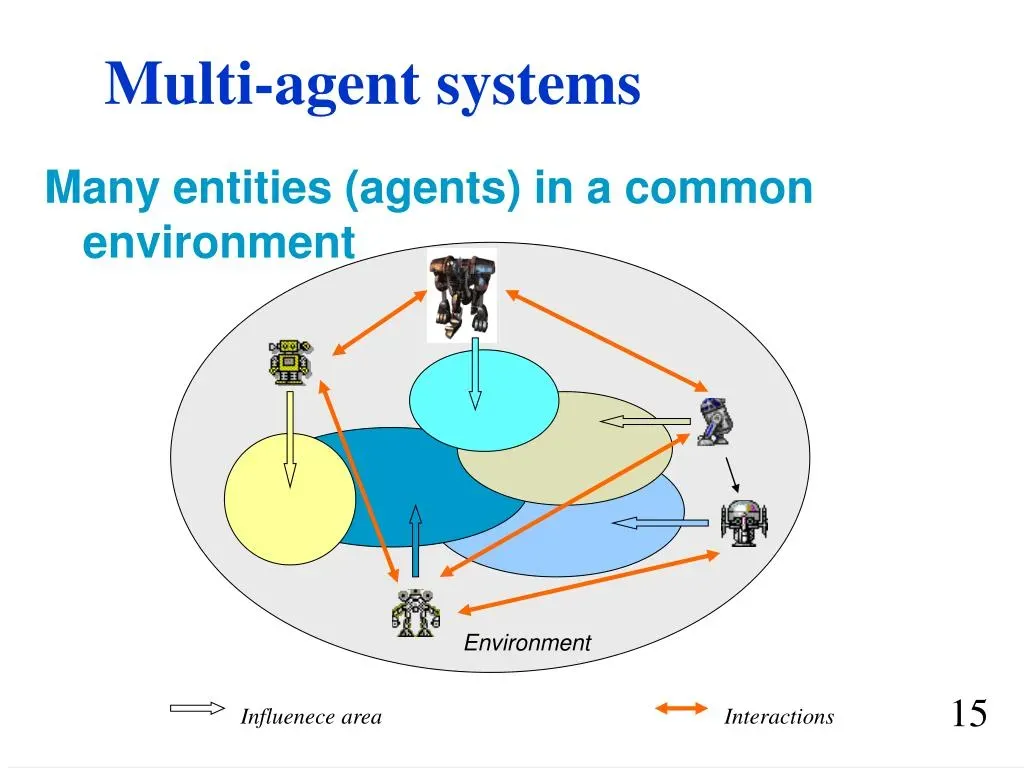
Multi-Agent Systems (MAS) represent a transformative shift in how organizations tackle the complexities of cyber threats. Traditional methods, often reliant upon singular, centralized systems, have proven inadequate against the evolving landscape of cybercrime. By integrating MAS into cybersecurity architectures, organizations can deploy a network of intelligent agents that operate collaboratively, mimicking human-like interaction and collective problem-solving capabilities. This decentralized approach not only enhances threat detection but also streamlines response times, creating a robust defense mechanism against coordinated attacks.
The collaborative nature of MAS ensures that each intelligent agent contributes its unique capabilities towards a common objective: defending the network. These agents function autonomously, learning from past incidents while sharing vital intelligence with their peers. Consequently, this openness leads to a richer threat landscape understanding, allowing organizations to stay ahead of emerging threats. As a result, security teams can focus on strategic decision-making rather than being bogged down by repetitive analytical tasks, thus enhancing their overall operational effectiveness.
Decentralized AI Collaboration for Enhanced Cyber Defense
Decentralized AI collaboration is at the forefront of modern cybersecurity solutions, and Multi-Agent Systems are pivotal in this evolution. In a typical MAS framework, intelligent agents operate independently across various network segments, constantly monitoring for threats. By pooling their insights and findings, these agents create a comprehensive view of vulnerabilities and attack vectors. This approach not only improves the detection of anomalous behaviors but also minimizes response times during security incidents, ultimately leading to better protection against cyber threats.
Furthermore, decentralized collaboration among multiple agents facilitates a rapid exchange of threat intelligence, vital for effective decision-making in cybersecurity. This real-time knowledge sharing helps organizations respond more intuitively to new threats, adjusting their defensive mechanisms dynamically without significant human intervention. As cyber threats become increasingly sophisticated, embracing decentralized AI collaboration through MAS can significantly elevate an organization’s cybersecurity posture.
Automated Incident Response: The Future of Cybersecurity
Automated incident response is transforming the landscape of cybersecurity operations, with Multi-Agent Systems leading the charge. By leveraging AI-driven capabilities, these systems can autonomously detect threats and initiate responses without human oversight. This automation mitigates the latency often associated with human intervention, allowing organizations to react swiftly at the first sign of a security breach. The deployment of automated incident response protocols through MAS ensures that organizations can maintain an agile defense, capable of adapting to newly identified vulnerabilities in real-time.
Moreover, the integration of automated incident response in MAS fosters a proactive cybersecurity framework. Instead of merely reacting to threats, these intelligent agents can anticipate potential risks by analyzing historical data and emerging patterns. Consequently, organizations gain confidence in their cybersecurity measures, knowing that their defenses are not only responsive but also predictive. This dual capability significantly enhances overall resilience against cyber threats, providing a competitive edge in today’s digital landscape.
Harnessing Threat Intelligence with Multi-Agent Systems
Threat intelligence is a crucial component of any successful cybersecurity strategy, and Multi-Agent Systems are uniquely positioned to enhance this vital function. By leveraging a network of intelligent agents, organizations can achieve instantaneous sharing of real-time threat data, derived from diverse sources and environments. This collaborative effort among agents ensures that cybersecurity teams possess up-to-date information regarding potential vulnerabilities and attack methodologies, facilitating informed decision-making.
Additionally, the ability to integrate external threat intelligence into MAS frameworks amplifies an organization’s defensive capabilities. Agents can tap into external databases and intelligence platforms, enriching their ability to contextualize threats and streamline response measures. Such an approach not only establishes a dynamic threat response mechanism but also empowers organizations to remain ahead of the curve against evolving cyber threats.
The Importance of Human-Agent Collaboration in Cyber Defense
While Multi-Agent Systems offer robust automation capabilities, the human element remains indispensable for effective cybersecurity management. MAS is not designed to replace security analysts; rather, it aims to enhance their efforts through collaboration. Human oversight ensures that AI agents operate within ethical boundaries and adhere to regulatory frameworks, critical in maintaining trust and compliance in cybersecurity operations. The synergy between human expertise and artificial intelligence creates a more comprehensive defense mechanism.
Moreover, the input from security professionals is invaluable for setting high-level objectives and validating agent actions. This collaborative approach not only provides assurance regarding the agents’ decision-making processes but also enriches the overall security strategy. As threats grow increasingly sophisticated, the partnership between humans and intelligent agents will be key to achieving a more agile and effective cybersecurity posture.
Challenges in Implementing Multi-Agent Systems
Despite the promising advantages, the deployment of Multi-Agent Systems comes with its own set of challenges. Establishing trustworthiness and explainability in agent decision-making processes is paramount, as organizations must ensure that automated actions are predictable and comprehensible. Without proper insight into how agents arrive at their conclusions, teams may hesitate to rely on automated systems fully, potentially undermining the very objectives MAS is designed to achieve.
Additionally, protecting intelligent agents from potential breaches introduces another layer of complexity. As these systems become pivotal in organizational defenses, they too must be fortified against compromises. Ensuring robust security measures that safeguard the integrity of MAS is crucial for maintaining trust and functionality, emphasizing the ongoing need for innovation in both AI and security practices.
The Future of AI-Driven Cyber Defense Strategies
The future of cybersecurity lies in the continuous advancement of AI-driven strategies, particularly through the lens of Multi-Agent Systems. As organizations increasingly adopt MAS to enhance their defensive capabilities, the incorporation of machine learning and deep learning techniques will undoubtedly deepen the functionality and effectiveness of these intelligent agents. Future MAS will leverage advanced data analytics and predictive modeling, paving the way for even more resilient cybersecurity solutions.
Furthermore, as cyber threats evolve in complexity and scale, organizations that adopt MAS will position themselves advantageously to develop proactive strategies rather than merely reactive responses. By continuously refining the synergy between human analysts and AI systems, organizations can cultivate a future where their cybersecurity efforts not only keep pace with threats but also help anticipate and neutralize them before they materialize.
Innovative Cybersecurity Solutions through MAS
Innovative cybersecurity solutions are emerging through the implementation of Multi-Agent Systems, which bring a fresh perspective to combating diverse threats. These intelligent agents excel in developing automated processes that allow for seamless threat assessment and result in timely incident responses. By integrating machine learning algorithms, MAS continuously improve their threat detection capabilities, offering organizations a more sophisticated approach to threat management.
Additionally, the integration of MAS with existing security frameworks enhances operational efficiency by allowing for a more coordinated response to incidents. This synergy minimizes operational silos and enables organizations to leverage the strengths of various security components collaboratively. By investing in innovative solutions powered by MAS, organizations can stay resilient against an ever-evolving threat landscape.
How Multi-Agent Systems Empower Organizational Resilience
The empowerment of organizational resilience through Multi-Agent Systems marks a significant advancement in cybersecurity. This innovative approach enables organizations to create a versatile defense mechanism capable of adapting to dynamic threat environments. By employing a collective of intelligent agents, security teams can respond to threats with enhanced agility and coordination, leading to a more resilient overall security posture.
Moreover, the adaptability of MAS allows organizations to pivot quickly in response to emerging threats and vulnerabilities. This resilience not only protects vital assets but also establishes confidence among stakeholders regarding the organization’s commitment to cybersecurity. As cyber threats continue to proliferate, the proactive capabilities enabled by Multi-Agent Systems will be essential for maintaining security and trust in digital operations.
Frequently Asked Questions
What are Multi-Agent Systems (MAS) in cybersecurity and their role in AI-driven cyber defense?
Multi-Agent Systems (MAS) consist of numerous intelligent agents that collaborate to enhance cybersecurity. These agents function autonomously, observing their environments and responding to threats in real-time. In AI-driven cyber defense, MAS provide decentralized solutions, improving an organization’s ability to detect, analyze, and mitigate cyber threats through collaboration and adaptability.
How do intelligent agents within Multi-Agent Systems improve automated incident response?
Intelligent agents in Multi-Agent Systems significantly enhance automated incident response by executing complex response tasks without human intervention. They can analyze real-time data, adapt to evolving cyber threats, and autonomously initiate appropriate countermeasures, which drastically reduces the time required for responses and minimizes potential damage from attacks.
What advantages do Multi-Agent Systems offer over traditional cybersecurity solutions?
Multi-Agent Systems offer several advantages over traditional cybersecurity solutions, including scalability to adapt to diverse network environments, enhanced adaptability through learning algorithms, fault tolerance that allows continued operation despite individual agent failures, and improved collaboration among agents for faster threat mitigation and improved situational awareness.
What is the significance of decentralized AI collaboration in Multi-Agent Systems?
Decentralized AI collaboration in Multi-Agent Systems is crucial as it allows multiple intelligent agents to work together without relying on a central control point. This approach enhances the system’s resilience against failures, enables agents to share insights rapidly, and leads to more effective threat detection and response, streamlining overall cybersecurity operations.
How do Multi-Agent Systems facilitate threat intelligence sharing?
Multi-Agent Systems facilitate threat intelligence sharing by enabling agents to communicate in real-time and access external databases or platforms. This collaboration allows agents to exchange valuable information about emerging threats, enhancing the collective understanding of the threat landscape and improving the organization’s overall cybersecurity posture.
What are the practical applications of Multi-Agent Systems in cybersecurity?
Practical applications of Multi-Agent Systems in cybersecurity include Distributed Intrusion Detection Systems (DIDS), where agents monitor different network segments, automated incident response processes to minimize delays, and Cloud Security Posture Management (CSPM) that autonomously addresses misconfigurations. These applications exemplify how MAS transform security operations with intelligent, proactive measures.
What challenges do Multi-Agent Systems face in cybersecurity deployment?
Despite their potential, Multi-Agent Systems face challenges in deployment, such as ensuring the trustworthiness and explainability of agent decisions, ensuring predictability in agent interactions, and safeguarding agents against compromise. Overcoming these challenges is essential for the successful integration of MAS into comprehensive cybersecurity strategies.
How does human-agent collaboration enhance the effectiveness of Multi-Agent Systems in cybersecurity?
Human-agent collaboration enhances the effectiveness of Multi-Agent Systems by ensuring that security analysts guide high-level objectives, validate agent actions, and maintain ethical operation. The synergy between human oversight and intelligent agents is vital for maximizing the benefits of MAS while addressing complex cybersecurity challenges.
| Key Features of Multi-Agent Systems (MAS) in Cybersecurity | |||
|---|---|---|---|
| Scalability | Agents can be added or removed seamlessly, accommodating networks of varying complexities. | ||
| Adaptability | Agents learn and adjust algorithms based on new data, enabling proactive defenses. | ||
| Fault Tolerance | Failure of one agent doesn’t disrupt the overall system, providing continuous protection. | ||
| Collaboration | Agents share information and coordinate responses for faster threat mitigation. | ||
| Practical Applications | |||
| Distributed Intrusion Detection Systems (DIDS) | Agents independently monitor network segments to detect coordinated attacks. | ||
| Automated Incident Response | Allows agents to autonomously execute response tasks without human involvement. | ||
| Threat Intelligence Sharing | Agents communicate in real-time to enhance understanding and responses to threats. | ||
| Cloud Security Posture Management (CSPM) | Agents evaluate alerts and can autonomously resolve issues related to cloud configurations. | ||
Summary
Multi-Agent Systems (MAS) represent a transformative approach in AI-driven cyber defense, providing an innovative solution to evolving cyber threats. By leveraging collaborative intelligent agents, MAS enhances scalability, adaptability, and resilience in security measures. Organizations utilizing MAS benefit from autonomous actions and shared intelligence, leading to faster threat response times and a more robust cybersecurity posture. However, it’s crucial to maintain human oversight to ensure ethical application and systematic governance. Overall, MAS is pivotal in establishing a proactive and comprehensive defense strategy against cyber threats, marking a significant advancement in modern cybersecurity.