
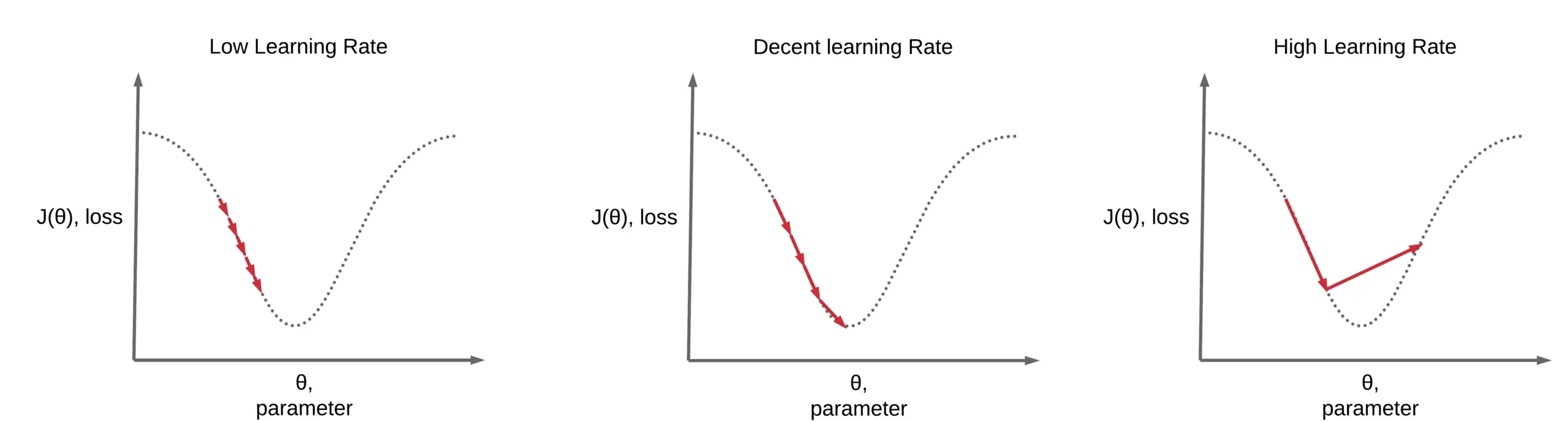
Learning rate schedulers are an essential tool in fine-tuning machine learning hyperparameters during neural network training. These innovative algorithms dynamically adjust the learning rate throughout the training process, tackling issues like stagnation and improving model convergence. Instead of maintaining a fixed learning rate, which can lead to suboptimal results, learning rate schedulers offer a flexible approach that responds to the training landscape. By utilizing techniques such as dynamic learning rates, these schedulers can provide a smoother training trajectory and help achieve better overall performance. Understanding and leveraging various scheduler algorithms can give practitioners a significant edge in optimizing learning rates and enhancing their models’ effectiveness.
When it comes to optimizing the training of machine learning models, adaptive learning rate techniques can play a pivotal role. These methods adjust the step size for weight updates during the training of deep learning architectures, ensuring that the training process adapts to the model’s performance at any given moment. By employing strategies like exponential decay or plateau reduction, practitioners can fine-tune their approaches and overcome common pitfalls associated with fixed learning rates. This adaptability is particularly beneficial for complex neural networks where optimal learning rates can vary significantly across different stages of training. Exploring these adaptive techniques opens up new avenues for improving model accuracy and efficiency.
Understanding Learning Rate Schedulers
Learning rate schedulers are critical for enhancing the training process of neural networks. Unlike fixed learning rates that remain constant throughout the training iterations, learning rate schedulers dynamically adjust the learning rate based on the training progress. This adaptability allows models to learn more efficiently, especially when dealing with complex datasets or architectures. By optimizing the learning rate during the training process, these schedulers minimize the risk of overshooting the optimal solution, leading to faster and more stable convergence.
For instance, consider a scheduler like StepLR which reduces the learning rate at defined intervals. In scenarios where the gradients are sharp and the function landscape is steep, a higher learning rate allows for quicker exploration of the parameter space. Conversely, as the model begins to converge towards an optimal point, a lower learning rate aids in making finer adjustments. This strategic management of learning rates not only prevents erratic training but also improves the overall performance of the model.
Dynamic Learning Rates in Neural Network Training
In neural network training, adopting dynamic learning rates through the implementation of learning rate schedulers can significantly impact the model’s ability to learn convoluted patterns in the data. For example, early in the training phase, higher learning rates foster fast convergence on the rough contours of the optimization landscape. As the training progresses and the model approaches optimal performance, decreasing the learning rate permits delicate adjustments, effectively refining the weights toward the minimum loss.
Moreover, the implementation of dynamic learning rates mitigates common issues faced during training such as bouncing around minima or prolonged periods stuck in suboptimal solutions. This transition from a larger to a smaller learning rate is crucial in helping the model navigate through intricate loss landscapes, which are often characterized by multiple local minima. Consequently, various scheduler algorithms like ExponentialLR or CosineAnnealingLR adaptively alter the learning rates to enhance training effectiveness.
Optimizing Learning Rates with Scheduler Algorithms
Optimizing learning rates is an essential aspect of machine learning hyperparameter tuning. Scheduler algorithms aid in this optimization by reducing or adjusting the learning rate based on specific conditions or epochs. For instance, ReduceLROnPlateau monitors validation metrics and decreases the learning rate only when there is no improvement. This selective reduction allows the model to avoid unnecessary constraint on the learning rate while still benefiting from the adaptiveness when needed.
Using such optimizing strategies can lead to enhanced model performance. Training models with proper learning rate policies helps in overcoming the delays caused by fixed learning rates and ensures that the model can achieve faster convergence. As you experiment with these schedulers, you’ll begin to notice how they can seamlessly alter the flow of training, often yielding better results than traditional static learning rates.
Exploring Scheduler Types: A Dive into Five Popular Methods
When considering learning rate schedulers, it’s beneficial to explore various types that incorporate unique mechanisms for adjusting the learning rate. The StepLR is renowned for its simplicity, reducing the learning rate at consistent intervals. This method is perfect for scenarios where one can anticipate the need for fine-tuning after a specific number of epochs. Additionally, there’s the ExponentialLR which gradually decays the learning rate exponentially, providing a smoother transition towards optimal performance.
CosineAnnealingLR presents a visually appealing approach by following a cosine curve, while CyclicalLR takes a refreshing perspective by oscillating the learning rate within a specified range. Each of these scheduler algorithms comes with its strengths and potential drawbacks depending on the specifics of the training task. Understanding these nuances empowers practitioners to select the most effective scheduler for their machine learning endeavors.
Practical Implementation of Learning Rate Schedulers
Implementing learning rate schedulers in practical scenarios can yield valuable insights into their effectiveness. For instance, by training a model on the MNIST dataset with different schedulers, one can observe varying results in training loss and accuracy. The step by step setup allows one to visually compare how different rates influence training performance, shedding light on which strategies foster improved outcomes.
Such hands-on experiences equip machine learning practitioners with the knowledge needed to make informed decisions when optimizing their models. Developing a clear understanding of how to set up each scheduler and the scenarios in which to use them can drastically shorten the experimentation time, providing significant improvements in model training.
Training and Comparison of Scheduler Performance
Training neural networks with each of the different learning rate schedulers not only aids in understanding their dynamics but also allows for a tangible assessment of their impact on model performance. By accumulating results from multiple training runs, practitioners can chart validation accuracies and losses, critically analyzing the effectiveness of each scheduler on real tasks.
For example, one might find that certain schedulers achieve higher validation accuracies more rapidly, while others, though initially slower, lead to lower loss values. This comparative analysis informs future training strategies and helps in refining approaches towards hyperparameter tuning. It’s an iterative learning process that reveals the strengths and limitations of different scheduler algorithms.
Visualizing Training Progress for Student Understanding
Visual representations of training loss and accuracy over epochs foster a deeper understanding of how the learning rate affects model performance. Utilizing tools such as Matplotlib allows for effective illustrations of various schedulers in action. As you plot the training curves, patterns emerge that reveal the unique dynamics of each learning rate scheduler, enhancing comprehension of their efficacy.
These visual aids serve not only to validate theoretical understanding but also empower machine learning practitioners with empirical evidence of their findings. By iterating through the training process with different schedulers, visualizations can tell the story of how and why certain approaches work better for specific tasks.
Final Results and Lesson Learnings
Upon completing the training experiments, analyzing the final results provides clarity on the performance spectrum of each scheduler. It’s not only about achieving the highest accuracy but understanding the nuances of performance: which strategies yield rapid convergence, and which ensure stability in the long run. This knowledge informs future model training decisions and encourages continuous learning and adaptation.
Furthermore, having a structure to reflect on these results aids in practical decision-making for machine learning practitioners. They gain insight into which learning rate strategies are most effective for different datasets and model architectures, thus adapting their training strategies for optimal outcomes as they progress in their machine learning journey.
Conclusion: Next Steps for Learning Rate Strategies
In conclusion, exploring learning rate schedulers enriches one’s approach to machine learning. The capacity to implement dynamic learning rates can heavily influence model performance, steering practitioners towards achieving remarkable results. The blend of theoretical knowledge and practical application provides a solid framework for delving deeper into the mechanics of learning rate optimization.
Moving forward, one should maintain a curious and experimental mindset when applying different learning rate schedulers in projects. Continuous testing and tuning of hyperparameters, including the learning rate, will empower you to unravel the full potential of your neural networks, thereby facilitating robust and effective machine learning solutions.
Frequently Asked Questions
What are learning rate schedulers and how do they impact neural network training?
Learning rate schedulers are algorithms that dynamically adjust the learning rate during neural network training, enabling more efficient optimization. Unlike static learning rates that may cause models to get stuck or oscillate, these schedulers optimize the learning process by increasing the rate initially for rapid training and decreasing it for fine-tuning later, which can lead to improved model performance.
How do dynamic learning rates improve machine learning hyperparameters during training?
Dynamic learning rates, facilitated by learning rate schedulers, adjust the learning rate based on training progress. This adaptability helps overcome issues associated with fixed learning rates, such as slow convergence or overshooting the optimal point, thereby optimizing machine learning hyperparameters effectively throughout neural network training.
What are the most popular scheduler algorithms used in machine learning?
Some of the most popular scheduler algorithms include StepLR, ExponentialLR, CosineAnnealingLR, ReduceLROnPlateau, and CyclicalLR. Each of these schedulers has unique characteristics, enabling them to adjust learning rates dynamically based on different training strategies and improving the training of neural networks.
Why is it essential to optimize learning rates with learning rate schedulers?
Optimizing learning rates is crucial because it directly affects the efficiency and efficacy of neural network training. Learning rate schedulers automate this optimization process, ensuring that the learning rates can change in response to the model’s performance. This leads to faster convergence and better performance outcomes during training.
Can learning rate schedulers help avoid local minima during neural network training?
Yes, learning rate schedulers can help avoid local minima by adapting the learning rate according to the training phase. By allowing a higher learning rate at the beginning, the model can escape from shallow local minima, and as training progresses, a lower rate helps fine-tune the weights, leading to a more stable and effective training process.
| Scheduler Name | Method | Key Features |
|---|---|---|
| StepLR | Step Decay | Reduces the learning rate by a fixed factor at specific epochs. |
| ExponentialLR | Exponential Decay | Multiplicatively decreases the learning rate by a decay factor each epoch. |
| CosineAnnealingLR | Cosine Decay | Follows a cosine curve for gradual learning rate reduction. |
| ReduceLROnPlateau | Adaptive Reduction | Reduces the learning rate only when there is no improvement in validation metrics. |
| CyclicalLR | Cyclical Learning Rates | Cycles between a minimum and maximum learning rate in a triangular waveform. |
Summary
Learning rate schedulers play a crucial role in optimizing model training by dynamically adjusting the learning rate throughout the training process. By using these schedulers, you can enhance convergence speed and overall model performance. This adaptive approach not only mitigates issues associated with fixed learning rates but also tailors the training process to the unique needs of complex models. Implementing learning rate schedulers can lead to significantly better results, making them essential tools in the toolkit of any machine learning practitioner.