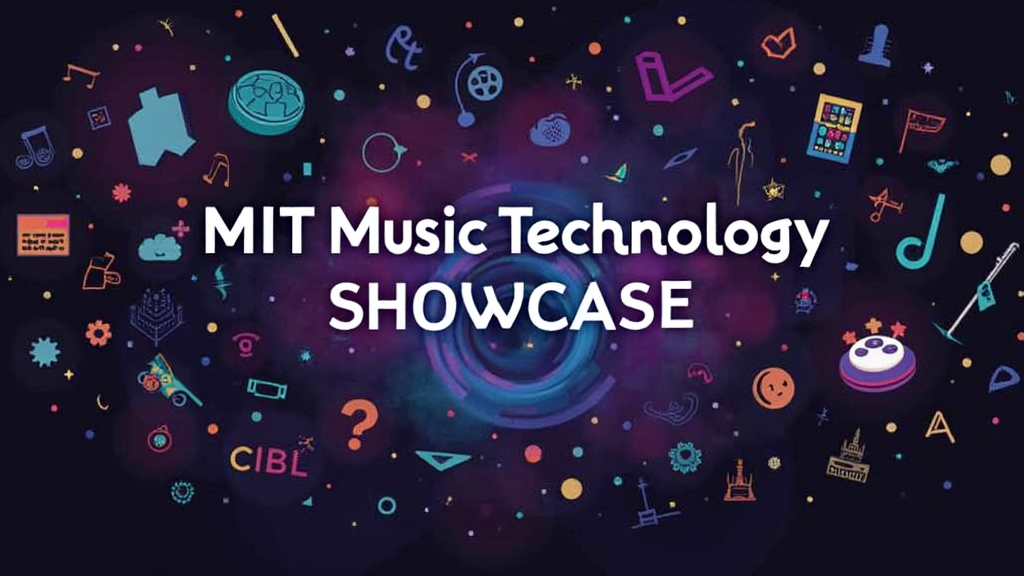
MIT Music Technology is reshaping the landscape of musical innovation and research through its groundbreaking programs that uniquely blend artistry with technological advancement. Launched in fall 2024, the MIT Music Technology and Computation (MTC) Graduate Program exemplifies this collaboration, connecting students and faculty from various disciplines to explore the future of sound. The program not only emphasizes academic rigor in music technology education but also focuses on fostering creativity and AI music research to inspire the next generation of music makers. Attendees at the inaugural MIT Music Technology Research Showcase witnessed exceptional presentations spanning diverse topics, including real-time AI improvisation and neural decoding of musical thoughts. This invigorating atmosphere highlights how the intersection of music and technology is driving forward thinking in graduate music education.
The MIT Music Technology initiative signifies a transformative approach to exploring the synergy between musical expression and technological innovation. At the heart of this endeavor is the Music Technology and Computation Graduate Program, which offers a rich curriculum aimed at integrating the principles of technology with contemporary musical practices. By focusing on collaborative research in areas such as artificial intelligence within music and the artistic potentials of tech-driven sound exploration, this program champions a new era in the education of future musicians and technologists alike. The recent research showcase epitomizes this vision, as students presented pioneering projects that illuminate the creative uses of technology within music. As this field continues to evolve, it becomes increasingly clear that music and technology are intricately linked, charting new pathways for artistic expression.
The Evolution of MIT Music Technology Programs
The MIT Music Technology and Computation (MTC) Graduate Program marks a significant milestone in the integration of music, technology, and education. Officially launched in the fall of 2024, this innovative initiative blends rigorous academic standards with the ever-evolving landscape of music technology research. By cultivating a curriculum that intertwines technical prowess with artistic expression, the program aims to equip its graduates with the skills needed to navigate and drive advancements in areas such as AI music research, and collaborative projects that push the boundaries of creative expression. The program is structured to foster interdisciplinary collaboration among students, faculty, and industry partners, ensuring that future leaders in music technology emerge with a well-rounded perspective and skillset.
As technology continues to revolutionize the way we create and experience music, programs like MTC are critical in shaping the narrative of music education. They not only provide a platform for students to showcase their innovative ideas through events like the MIT Music Technology Research Showcase, but they also serve as incubators for cutting-edge research that can lead to transformative developments in the field. This commitment to exploring new frontiers within musicing technology allows students to experiment and refine their approaches, much like the new generation of musicians who are harnessing AI and computational tools to amplify their creative voices.
Within the framework of the MTC Graduate Program, students are encouraged to view their learning journey as one of exploration and growth in collaboration with their peers. Notably, the curriculum is designed to promote cross-pollination between disciplines, combining aspects of engineering, computer science, and musicology. This holistic approach ensures that graduates are not only experts in music technology but also capable of addressing complex societal challenges through the lens of musical innovation. By providing access to state-of-the-art facilities, studios, and a dedicated music technology lab, the program cultivates an environment conducive to experimentation and interdisciplinary dialogue where future musicians and technologists can thrive.
The impact of these educational endeavors extends beyond the classroom. As alumni of the MIT Music Technology and Computation Graduate Program enter the workforce, they carry with them a rich tapestry of experiences that blend engineering skills and artistic sensitivity. They are poised to make significant contributions to a wide array of sectors, from healthcare applications involving music therapy to advancements in performance art where technology enhances audience engagement. Thus, the legacy of the MTC program not only shapes individual careers but also redefines the future landscape of music education.
Innovative Research and Collaborations in Music Technology
The inaugural MIT Music Technology Research Showcase highlighted the incredible potential of the MTC Graduate Program’s first cohort. Each student presented groundbreaking research that demonstrated innovative applications of music technology and showcased the collaborative spirit that pervades the program. Projects ranged from real-time AI co-improvisation systems to using electroencephalogram (EEG) signals for musical expression. Such research not only adds to the academic landscape but also emboldens new forms of music and performance, illustrating the direct influence of technology on creative processes. Moreover, the blend of technical and artistic insights can facilitate profound advancements in the realms of AI music research and its applications across diverse platforms.
By engaging with a mix of creative techniques and technological frameworks, MTC students actively contribute to a rich tapestry of music and technology collaboration that extends beyond the boundaries of traditional music education. The showcase exemplified this by bringing together a diverse audience of attendees who witnessed firsthand how interdisciplinary approaches can innovate the way we perceive and produce music. Such collaborations are vital in fostering a community where artists and technologists can inspire one another, ultimately leading to compelling projects that redefine the music experience for audiences both live and online.
The enthusiasm and ingenuity of the students at the showcase signal a bright future for music technology. With innovative projects on display, like the custom web application developed by Mariano Salcedo that allows users to create emergent visuals from music streams, it is evident that the intersection of multiple disciplines is fostering a new generation of artists and engineers. This kind of research not only promotes the application of advanced technologies in music creation but also underscores the importance of accessible artistic expression. Collaborations within the program encourage students to think critically about their work’s social implications, enhancing their capacity for thoughtful engagement in discussions surrounding the future of music and technology.
Looking forward, as the MTC program attracts students from varied educational backgrounds, the conversation around music technology will only grow richer. The expected admission of new students from other institutions is likely to diversify the spectrum of ideas and perspectives within the program, further amplifying the collaborative spirit essential for dynamic innovations in music technology, including training next-gen musicians and technologists. By nurturing such partnerships and celebrating the synthesis of art and science, MIT stands poised to lead the world in redefining how we interact with music in a tech-driven society.
Empowering Musicians Through Accessible Technology
Claire Southard’s groundbreaking research using EEG to translate brain activity into musical notes is a prime example of how the MTC Graduate Program is reshaping the landscape for musicians facing physical challenges. As traditional pathways to performing music become obstructed by health issues, incorporating advanced machine learning into music creation empowers these artists to reclaim their passion. Southard’s emphasis on accessibility illustrates the program’s commitment to finding inclusive solutions within the music technology space, showcasing how intellectual innovation can spur opportunities for musicians regardless of their physical limitations.
This focus on accessibility mirrors broader trends within the field of music technology, where developers and researchers are increasingly prioritizing inclusive design. By creating systems that allow for the performance of music through new interfaces—unfettered by the constraints of physical barriers—programs like MTC are not just shaping technologists but also fostering a culture of empathy and humanitarianism within the field. As these technologies develop, the potential for creating a more inclusive future for musicians becomes a realistic and hopeful vision.
In tandem with Southard’s work, other projects exhibited at the Music Technology Research Showcase emphasize the diverse ways in which technology can aid in the expression of creativity. Students like Mariano Salcedo are pioneering novel tools that enhance user experiences through interactive music visualizations, an exciting prospect for both creators and consumers of music. These developments create new platforms for artistic expression and experimentation, highlighting the potential of AI music research to redefine audience engagement. By leveraging interactive and collaborative tools, musicians can explore new performance grounds, marking the next evolutionary step in live music experiences.
Moreover, the collaborative nature of these projects underscores the program’s collective effort to merge technical knowledge with artistic intuition. It’s a testament to the shared passion for music and technology that drives MTC students to develop applications that resonate with a wide audience. By embracing a philosophy that values collaboration across disciplines, MIT’s Music Technology program not only advances the field but inspires a new generation of artists eager to explore the rich potential of music and technology in tandem.
Frequently Asked Questions
What is the MIT Music Technology graduate program and what research areas does it cover?
The MIT Music Technology graduate program, part of the Music and Theater Arts Section and the School of Engineering, focuses on innovative applications and research within the realm of music technology. It covers a diverse array of topics, including AI music research, human-AI interaction in music production, and multidisciplinary collaborations that enhance musical expression. This program aims to position MIT as a leader in music technology theory and practice.
| Title | Key Points |
|---|---|
| Inaugural Music Technology Research Showcase | Celebrates the work of the first cohort of the MIT Music Technology and Computation Graduate Program. |
| Keynote Address | Delivered by Associate Professor Anna Huang; focused on the relationship between AI and human creativity. |
| Event Details | Held on May 13, 2026, in the Thomas Tull Concert Hall, attended by faculty, students, and audience members. |
| Program Overview | Launched in Fall 2024, designed to bridge music and technology across disciplines, supported by MIT SHASS and SoE. |
| Showcase Highlights | Featured a variety of innovative research projects, including AI music improvisation and EEG signal analysis. |
| Key Remarks | Dean Rayo emphasized collaboration across disciplines; mentions the importance of the new Linde Music Building. |
| Student Projects | Highlighted student innovations including machine-learning applications in music and interactive music visualization. |
| Program Growth | Next cohort to include a diverse group of students from various backgrounds, expanding the program’s influence. |
Summary
MIT Music Technology is revolutionizing the intersection of music and advanced computational techniques, exemplified by the recent inaugural Music Technology Research Showcase. This event marked a significant milestone in the program’s journey, as the first batch of graduate students presented innovative projects that harness the power of technology to enhance musical creativity and accessibility. The showcase not only highlighted remarkable student research but also underscored MIT’s commitment to leading the field of music technology through interdisciplinary collaboration and engagement. As the program expands, it promises to foster a vibrant community of scholars dedicated to pushing the boundaries of what is possible within the realm of music and technological innovation.