
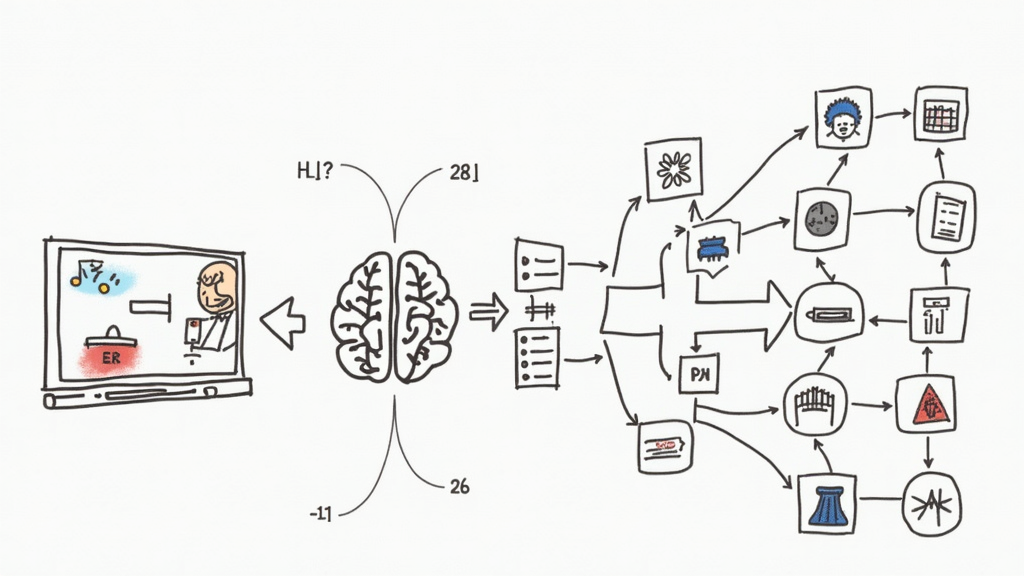
Large language models (LLMs) are fascinating tools harnessed for various applications, yet they are not without their flaws. These models can exhibit significant errors, often rooted in their training processes, which can compromise LLM reliability. When tasked with unfamiliar queries, LLMs may disproportionately rely on syntactic templates rather than demonstrating true comprehension of the subject matter. This reliance on learned linguistic patterns leads to language model vulnerabilities that can have serious implications in domains requiring high accuracy, such as customer service and medical applications. As machine learning limitations persist, understanding these errors is critical for ensuring LLM safety and enhancing their overall reliability.
Language models, often referred to as neural conversational agents or AI text generators, represent a dynamic area of artificial intelligence. However, these intelligent systems face challenges, particularly in their processing of natural language, which gives rise to errors that can mislead users. By examining the syntax used in training data, researchers have highlighted the inherent risks associated with these AI models, including their susceptibility to unintended associative patterns. As these systems continue to be integrated into critical decision-making processes, recognizing their vulnerabilities is essential for improving performance and ensuring safety. Ultimately, addressing these challenges will pave the way for more robust and reliable AI-driven communication.
Understanding LLM Reliability and Its Limitations
LLM reliability is a crucial factor for the successful deployment of language models in various applications. Despite their advanced capabilities, research highlights that these models can exhibit significant errors when they rely more on learned syntactic patterns than actual domain knowledge. The findings from MIT’s study emphasize that large language models can incorrectly formulate responses based on superficial grammatical similarities rather than a deep understanding of the content. This reliance on syntax can lead to inconsistencies, reducing the overall reliability of LLMs in practical use cases.
Moreover, these limitations present challenges when LLMs are applied in critical fields such as healthcare or financial services, where accuracy and dependability are paramount. For instance, when an LLM is tasked with generating clinical summaries or answering customer service queries, any lapse in understanding can result in misleading or inaccurate responses. Ensuring that LLMs maintain high reliability requires a reevaluation of existing training methodologies that prioritize syntactic learning, highlighting the need for improved frameworks that integrate both syntax and semantic understanding.
Exploring Language Model Vulnerabilities
Language model vulnerabilities represent a major concern, as they can be exploited to generate harmful or misleading content. The research indicates that LLMs, trained on vast datasets, develop associations between specific syntactic templates and their expected responses. This behavior becomes problematic when an individual intentionally phrases a request using these recognized structures to elicit unsafe outputs, even when the LLM has safeguards in place to prevent such occurrences. This discovery not only underscores the importance of understanding LLM vulnerabilities but also the urgent need for robust defensive measures.
Addressing these vulnerabilities requires a multifaceted approach, primarily focusing on the mechanisms through which LLMs learn language. Researchers suggest that the training framework itself contributes significantly to this issue, indicating that adjustments in the way models are trained could enhance LLM safety. Future developments may include designing training protocols that incorporate greater variability in syntactic structures and comprehensive evaluations of model responses to diverse prompts, thereby reducing the risk of malicious exploitation.
Syntactic Templates and Their Impact on LLM Responses
Syntactic templates play a pivotal role in how LLMs generate responses, as the models often latch onto familiar grammatical structures learned during training. This dependence on syntax can lead to instances where LLMs confidently provide incorrect answers based solely on the resemblance of question structures to those in their training data. For example, if a question is framed similarly to common inquiries encountered during training, the model might generate an appropriate response, even if the underlying content is nonsensical.
This phenomenon reveals a critical gap in the way LLMs interpret language and highlights the need for a balanced approach that emphasizes both syntactic understanding and semantic comprehension. Training strategies that expose LLMs to a broader range of sentence constructions and contextual variations could mitigate these risks. By diversifying the data used in training, developers can help improve the robustness of LLMs, enabling them to deliver more accurate outputs and minimize syntactic misinterpretations in real-world applications.
The Safety Implications of LLMs’ Learning Patterns
The safety implications of LLMs’ reliance on syntactic patterns extend beyond mere inaccuracies; they encompass broader risks that can impact user trust and model integrity. As demonstrated in the study, an LLM’s learned associations can become potential targets for malicious actors. By crafting queries with specific syntactic structures, users can bypass protective measures, prompting the model to generate harmful or inappropriate content, which poses substantial ethical and safety challenges.
To counter these threats, it is essential for researchers and developers to prioritize safety in the design and deployment of LLMs. An increased focus on ethical AI practices, combined with comprehensive testing for vulnerabilities, can help mitigate risks associated with deploying LLMs in critical environments. Emphasizing the development of innovative safety protocols within the training process may also ensure that LLMs adhere to stricter guidelines, enhancing their resistance to exploitation while maintaining functional accuracy.
Mitigating Error Patterns in Language Models
Mitigating error patterns in language models is vital for enhancing their reliability and safety. The findings of the MIT study led to a proposed benchmarking framework to assess the extent of LLMs’ dependence on faulty syntax-domain associations. By identifying these problematic patterns early in the training process, developers can implement measures to correct such dependencies before the models’ deployment, ultimately reducing potential risks.
Moreover, beyond just identifying issues, the research encourages the exploration of new strategies for improving model performance. Adopting a more diverse and inclusive dataset for training can provide models with a richer representation of languages and syntactic structures. This variety may empower LLMs to respond more accurately to a broader scope of queries while reducing their vulnerability to exploitation based on syntactic manipulation.
Future Directions for LLM Research and Development
The future of LLM research and development holds significant promise, especially in addressing the limitations identified by current studies. The exploration of different syntactic templates, along with innovations in machine learning techniques, may lead to enhanced understanding and improved performance of LLMs in various applications. Researchers anticipate developing new training methodologies that emphasize both understanding language semantics and syntactic diversity, which could prove beneficial for the reliability and safety of LLMs.
Additionally, collaboration between institutions may accelerate advancements in this field, leading to the establishment of best practices for training and deploying LLMs. As the artificial intelligence landscape evolves, ongoing research into potential mitigation strategies and security measures is paramount. This commitment will help ensure that LLMs can be effectively utilized across critical domains without compromising the safety and trust of users.
Expanding the Focus on Linguistic Analysis in LLMs
Expanding the focus on linguistic analysis in LLMs is essential for enhancing their capabilities and addressing current shortcomings. Traditional training paradigms often overlook the intricate interplay between syntax and semantics. By placing a greater emphasis on linguistic theory during the design and training phases, researchers can foster more robust models that understand context and meaning rather than relying solely on form.
This shift in focus could lead to the development of models better equipped to navigate complex language tasks and produce outputs that align with user intent. Implementing linguistic analysis as a cornerstone of LLM training can aid in recognizing the nuances of language, thereby reducing misinterpretations and improving the overall efficacy of these systems. As language continues to evolve, so too must the approaches to training models, ensuring they remain suitable for real-world applications and interactions.
The Importance of Interdisciplinary Collaboration in AI Safety
Interdisciplinary collaboration is paramount in addressing the multifaceted challenges posed by LLM safety and reliability. Combining insights from linguistics, computer science, and ethics can yield a more comprehensive understanding of the vulnerabilities associated with language models. By fostering a collaborative environment among researchers from different backgrounds, the development of LLMs can benefit from diverse perspectives on safety and performance.
Collaborative efforts can also lead to the establishment of comprehensive guidelines for ethical AI development, ensuring that LLMs are designed with user safety and security in mind. As the field of machine learning continues to grow, promoting dialogue across disciplines will be essential in creating effective solutions that not only address technical challenges but also the social implications of deploying LLMs in various sectors.
Innovative Approaches to Benchmarking LLM Performance
Innovative approaches to benchmarking LLM performance are critical for advancing our understanding of their capabilities and limitations. The research conducted by the MIT team emphasizes the need for tailored metrics that specifically evaluate language models’ reliance on syntactic templates and their overall performance across different domains. By developing unique benchmarking techniques, researchers can better identify specific areas of weakness and work towards enhancing model reliability.
Future benchmarking approaches should be holistic, taking into account not only the accuracy of responses but also the context in which they are generated. This comprehensive evaluation will allow for a more nuanced understanding of LLM performance and enable developers to refine their training processes accordingly. By prioritizing innovative benchmarking methods, the AI community can make meaningful strides toward improving LLMs, building trust with users, and ensuring safer interactions with these powerful tools.
Frequently Asked Questions
What are the primary large language models errors related to LLM reliability?
Large language models (LLMs) often exhibit errors tied to their reliance on syntactic templates instead of true semantic understanding. This reliance can lead to incorrect associations, diminishing LLM reliability in tasks such as customer service responses and accurate information retrieval.
How do syntactic templates contribute to language model vulnerabilities?
Syntactic templates can create vulnerabilities in language models because they may lead LLMs to generate plausible-sounding but incorrect answers when they rely on familiar grammatical structures without comprehending the underlying content of the question.
What safety risks are associated with LLM errors?
LLM errors pose significant safety risks as malicious actors could exploit these language model vulnerabilities. By tricking models into generating harmful content through syntax manipulation, these vulnerabilities can bypass existing safeguards that aim to prevent inappropriate outputs.
Why is understanding machine learning limitations essential in evaluating LLM safety?
Recognizing the limitations of machine learning, particularly in how LLMs process syntax and semantics, is crucial for enhancing LLM safety. Addressing these limitations proactively can help developers create more robust and reliable models that minimize erroneous outputs.
How can benchmarks be developed to assess large language models errors?
Researchers propose establishing benchmarking procedures to evaluate LLMs’ dependence on erroneous syntactic associations. This can help identify models’ vulnerabilities before deployment, ensuring their responses are based on accurate semantic understanding rather than flawed grammatical associations.
What strategies may improve LLM performance in light of identified errors?
To enhance LLM performance, researchers suggest augmenting training data with a diverse range of syntactic templates. Such strategies aim to mitigate learned vulnerabilities and improve the models’ ability to understand and respond to queries accurately.
What role does rigorous linguistic analysis play in LLM reliability?
Rigorous linguistic analysis is vital for improving LLM reliability as it allows developers to better understand how these models learn language patterns, paving the way for improved training methodologies that account for both syntax and semantics, ultimately reducing error rates.
| Key Point | Explanation |
|---|---|
| Learning Errors | LLMs can learn incorrect associations, relying more on syntactic patterns than on domain knowledge. |
| Dependency on Syntax | LLMs may recognize sentence structures and associate them with topics, leading to incorrect responses when faced with new phrasing. |
| Impaired Functionality | These errors can diminish the reliability of LLMs across various tasks, including customer service and content generation. |
| Safety Risks | Exploitation of syntactic vulnerabilities could lead to harmful outputs even from models with safety measures in place. |
| Benchmarking Procedure | Researchers developed a benchmarking procedure to assess the dependence of LLMs on incorrect correlations before deployment. |
| Future Research Directions | Further exploration of mitigation strategies and broader syntactic data profiles for improving LLM responses is planned. |
Summary
Large language models errors can significantly hinder the performance and reliability of these advanced systems in practical applications. Research indicates that LLMs often rely on learned syntactic patterns rather than a true understanding of semantics, leading to incorrect responses when faced with new or nonsensical inputs. This tendency raises concerns over the safety and effectiveness of models used in critical domains. To enhance LLM performance and safety, ongoing research aims to develop robust strategies for detecting and mitigating these linguistic vulnerabilities.